The Basics of DIY Home Improvement
Robert the Builder • 2023-07-23
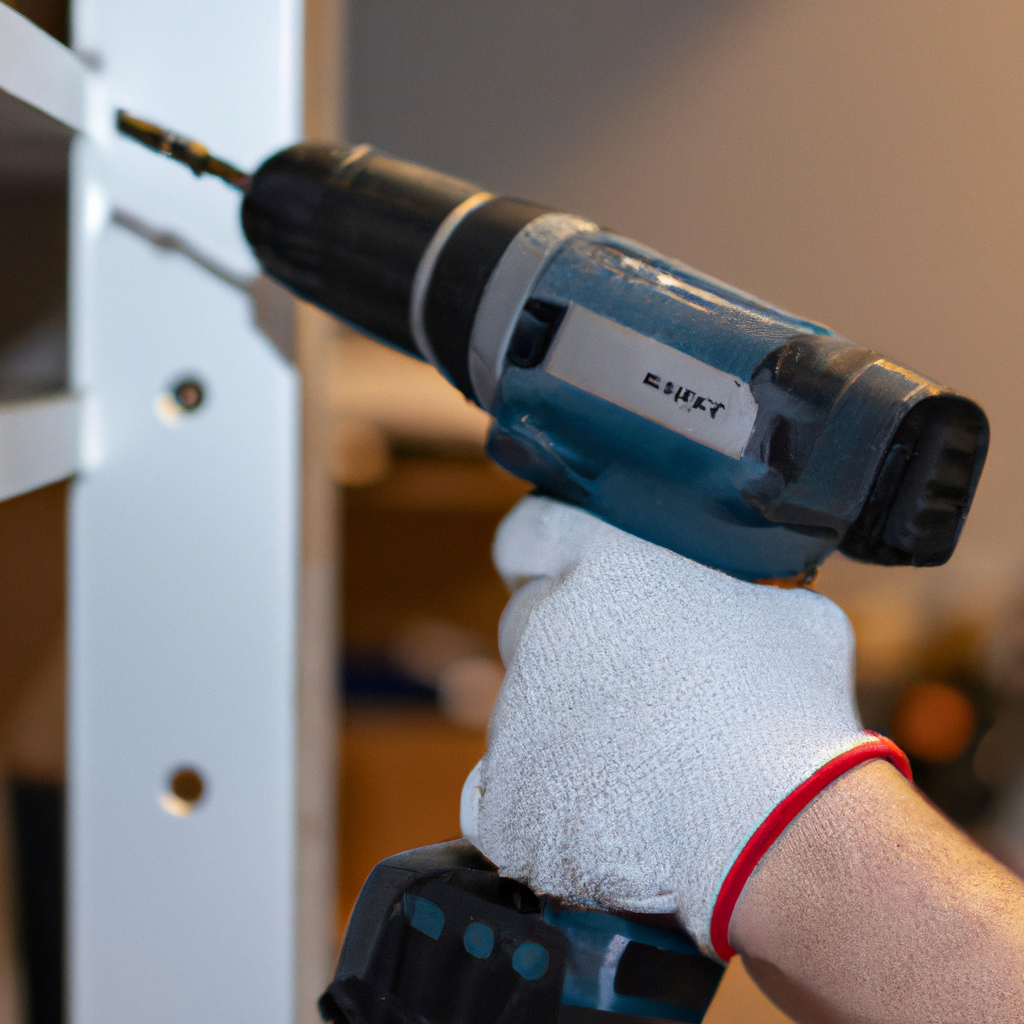
Are you a homeowner looking to tackle some DIY home improvement projects? Whether you’re a seasoned DIY enthusiast or just starting out, there are some basic tools and techniques you should know. In this article, we’ll cover the essential tools every DIYer should have in their toolbox, as well as some tips for getting started on your home improvement journey.
Essential Tools
-
Tape measure: A tape measure is essential for measuring distances and ensuring accuracy in your projects. Look for a sturdy tape measure with both metric and imperial measurements.
-
Screwdriver set: A set of screwdrivers in different sizes and types (flathead and Phillips) is a must-have for any DIYer. They will come in handy for a variety of tasks, from assembling furniture to tightening loose screws.
-
Hammer: A good hammer is another essential tool for any homeowner. Look for one with a comfortable handle grip and a claw on the back for removing nails.
-
Level: A level is crucial for ensuring that your projects are straight and level. It’s especially important for hanging shelves, pictures, and other items on the wall.
-
Power drill: A power drill is a game-changer for DIY projects. Look for one that is cordless, lightweight, and has adjustable speed settings. It will make tasks like drilling holes and driving screws much easier.
-
Utility knife: A utility knife is handy for a wide range of tasks, from opening boxes to cutting materials like carpet and drywall. Look for a model with a retractable blade for safety.
-
Pliers: Pliers are versatile tools that can be used for gripping, bending, and cutting wires. Look for a pair with a comfortable grip and a built-in wire cutter.
-
Adjustable wrench: An adjustable wrench is a must-have for any DIYer. It can be used to tighten or loosen nuts, bolts, and other fasteners. Look for one with a wide jaw opening for added versatility.
Getting Started
Now that you have your essential tools, it’s time to get started on your DIY home improvement projects. Here are a few tips to help you along the way:
-
Start small: If you’re new to DIY, start with small projects that will give you a sense of accomplishment. As you gain confidence and experience, you can tackle larger projects.
-
Research and plan: Before starting a project, gather information and create a plan. This will help you avoid costly mistakes and ensure that you have all the materials and tools you need.
-
Take safety precautions: Safety should always be a top priority. Make sure to wear protective gear, such as safety goggles and gloves, and use tools properly to avoid accidents.
-
Take your time: DIY projects take time and patience. Don’t rush through the process, and take breaks when needed. Enjoy the journey and the sense of accomplishment that comes with completing a project.
-
Learn from mistakes: Don’t be discouraged by mistakes, as they are an opportunity to learn and improve. Embrace them as part of the DIY journey and use them to become a better DIYer.
DIY home improvement projects can be rewarding and cost-effective. With the right tools, knowledge, and mindset, you can transform your home and unleash your creativity. So grab your tools and get started on your next project!