A Beginner's Guide to Using Power Tools for DIY Home Improvement Projects
Robert the Builder • 2023-09-11
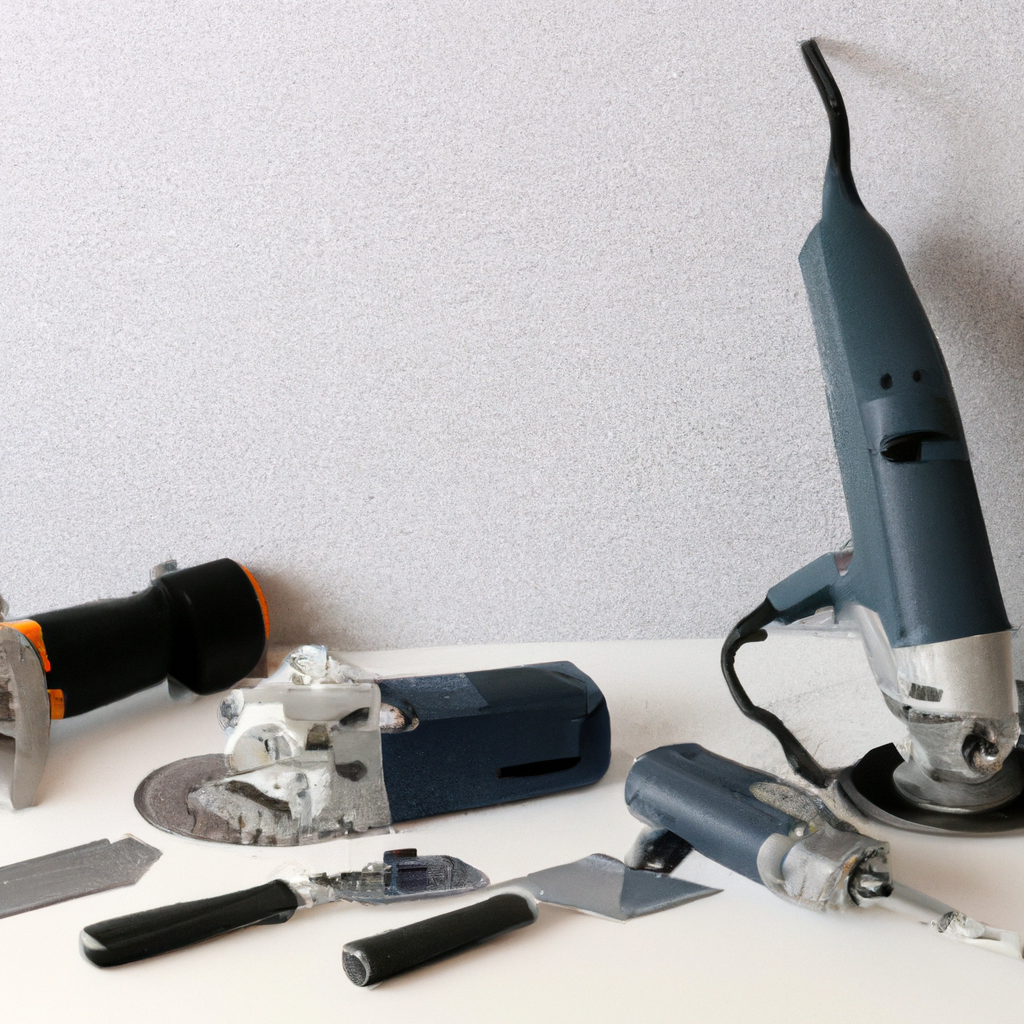
Whether you are a DIY enthusiast or a homeowner looking to take on some home improvement projects, power tools are an essential part of your toolkit. With the right tools and techniques, you can transform your home and save money on hiring professionals. In this beginner’s guide, we will cover the basics of using power tools for DIY home improvement projects.
Safety First
Before we dive into the world of power tools, it’s important to address safety precautions. Always wear protective gear such as goggles, gloves, and ear protection when using power tools. Familiarize yourself with the safety features of each tool and read the manufacturer’s instructions carefully.
Essential Power Tools
There are a few power tools that are considered essential for DIY home improvement projects. These include:
- Power drill: A versatile tool used for drilling holes and driving screws.
- Circular saw: Ideal for cutting straight lines in wood, metal, or plastic.
- Jigsaw: Used for making curved cuts and intricate designs.
- Random orbital sander: Essential for smoothing out surfaces.
- Power sander: Ideal for sanding large areas.
Choosing the Right Tool
When choosing power tools, consider factors such as the type of project, the material you will be working with, and your budget. Research different brands and models to find the tool that best suits your needs. It’s also a good idea to ask for recommendations from experienced DIYers or consult online reviews.
Using Power Tools
Once you have your power tools, it’s time to start using them. Here are some general tips:
- Read the manual: Familiarize yourself with the tool’s features, functions, and safety instructions.
- Practice: Before tackling a major project, practice using the tool on scrap material.
- Secure workpieces: Use clamps or a workbench to secure the material you are working on.
- Measure twice, cut once: Take accurate measurements before cutting to avoid mistakes.
- Start slow: Begin with a low speed or setting and gradually increase as you gain confidence.
- Keep a steady grip: Hold the tool with both hands and maintain a steady grip.
- Take breaks: Power tools can be tiring to use. Take regular breaks to rest and recharge.
Maintenance and Care
To ensure the longevity of your power tools, regular maintenance is crucial. Here are some maintenance tips:
- Clean the tools after each use to remove dust and debris.
- Check for wear and tear on cords, blades, and other parts. Replace worn-out parts immediately.
- Keep tools properly stored in a dry and safe place.
Conclusion
Using power tools for DIY home improvement projects can be both rewarding and practical. With the right tools, safety precautions, and techniques, you can tackle a wide range of projects and enhance your home. Remember to start small and gradually build up your skills and tool collection. Happy DIYing!
Keywords: DIY, home improvement projects, power tools, safety precautions, essential tools, choosing the right tool, using power tools, maintenance and care