A Beginner's Guide to DIY Home Improvement Projects
Robert the Builder • 2023-10-12
Introduction
Are you tired of calling in professionals every time something breaks or needs fixing in your home? Why not take matters into your own hands and try some DIY home improvement projects! Not only can you save money, but you’ll also gain a sense of accomplishment from completing tasks on your own. But where do you start? In this beginner’s guide, I’ll walk you through the basics of DIY home improvement projects and provide you with tips and tools to get started.
Assessing your skills
Before diving into any DIY project, it’s important to assess your skills and determine what you’re comfortable doing. Are you a complete novice or do you have some experience with basic repairs? This will help you gauge the complexity of projects you’ll be able to tackle. Don’t worry if you’re a beginner - everyone starts somewhere!
Essential tools
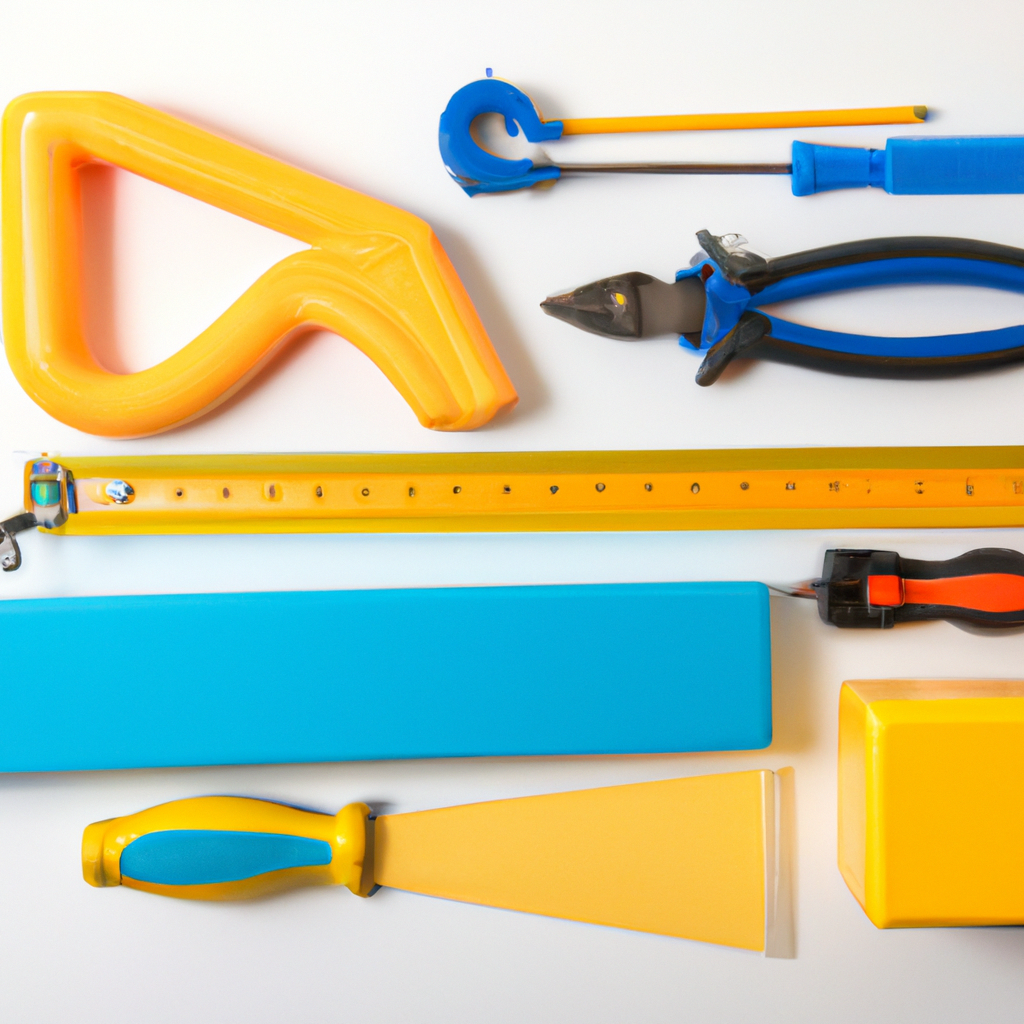
To get started with DIY home improvement projects, you’ll need some basic tools. Here are a few essentials:
- Hammer: A versatile tool used for driving nails and removing them.
- Screwdriver set: Different types and sizes of screwdrivers will come in handy for various tasks.
- Measuring tape: An essential tool for accurate measurements.
- Level: Used to determine if something is straight or level.
- Utility knife: Perfect for cutting materials like carpet, cardboard, or drywall.
- Pliers: Useful for gripping, bending, or cutting wires.
These are just a few examples of essential tools for DIY home improvement projects. As you gain more experience, you may want to invest in additional tools based on the specific projects you take on.
Safety first
When working on DIY projects, safety should always be your top priority. Here are a few safety tips to keep in mind:
- Wear safety goggles to protect your eyes from flying debris.
- Use ear protection when using power tools to prevent hearing damage.
- Always read and follow the instructions for any tools or materials you’re working with.
- Work in a well-ventilated area to avoid inhaling fumes.
Starting small
As a beginner, it’s advisable to start with small and simple projects. This will allow you to gain confidence and experience without overwhelming yourself. Here are a few beginner-friendly DIY projects you can try:
- Painting: A fresh coat of paint can completely transform a room and is a great way to start your DIY journey.
- Installing shelves: Adding shelves to your walls is a practical and relatively easy project.
- Replacing a light fixture: Updating a light fixture can make a big difference in the look and feel of a room.
Remember, the key is to start small and gradually work your way up to more complex projects as you gain confidence and skills.
Learning resources
There are plenty of resources available to help you learn more about DIY home improvement projects. Here are a few suggestions:
- Books: Look for beginner-friendly books that provide step-by-step instructions and tips for DIY projects.
- Online tutorials: Websites like YouTube and DIY blogs offer a wealth of free tutorials and project ideas.
- Local classes: Check if your community center or home improvement stores offer classes or workshops on DIY projects.
Conclusion
With the right tools, a can-do attitude, and a willingness to learn, you can tackle a wide range of DIY home improvement projects. Remember to start small, prioritize safety, and don’t be afraid to ask for help when needed. Before you know it, you’ll be a confident DIY enthusiast ready to take on more challenging projects!
So what are you waiting for? Start your DIY journey today and discover the satisfaction of creating and improving your own living space!